Envisioning Green Futures: Sustainable Practices Transforming Modern Landscapes May 05, 2026
Understanding the essence of sustainable landscaping begins with recognizing the importance of choosing the right plants. Native plants, those naturally occurring in your area, are ideal because they require less water and fewer chemical fertilizers. These plants have adapted to the local climate, so they can thrive with minimal intervention. This not only reduces maintenance costs but also supports local biodiversity by providing habitats for wildlife.
Moreover, efficient water management is crucial in sustainable landscaping. With issues like water scarcity becoming more pressing globally, it's important to adopt practices that conserve water. Implementing drip irrigation systems can significantly reduce water waste compared to traditional sprinkler systems. Drip irrigation delivers water directly to the plant roots, minimizing evaporation and ensuring that each plant receives the precise amount of water it needs.
Another effective strategy is to collect rainwater. Installing rain barrels can provide a free, eco-friendly source of water that can be used for watering plants or even household tasks like washing cars. This practice not only conserves resources but can also lead to significant savings on water bills.
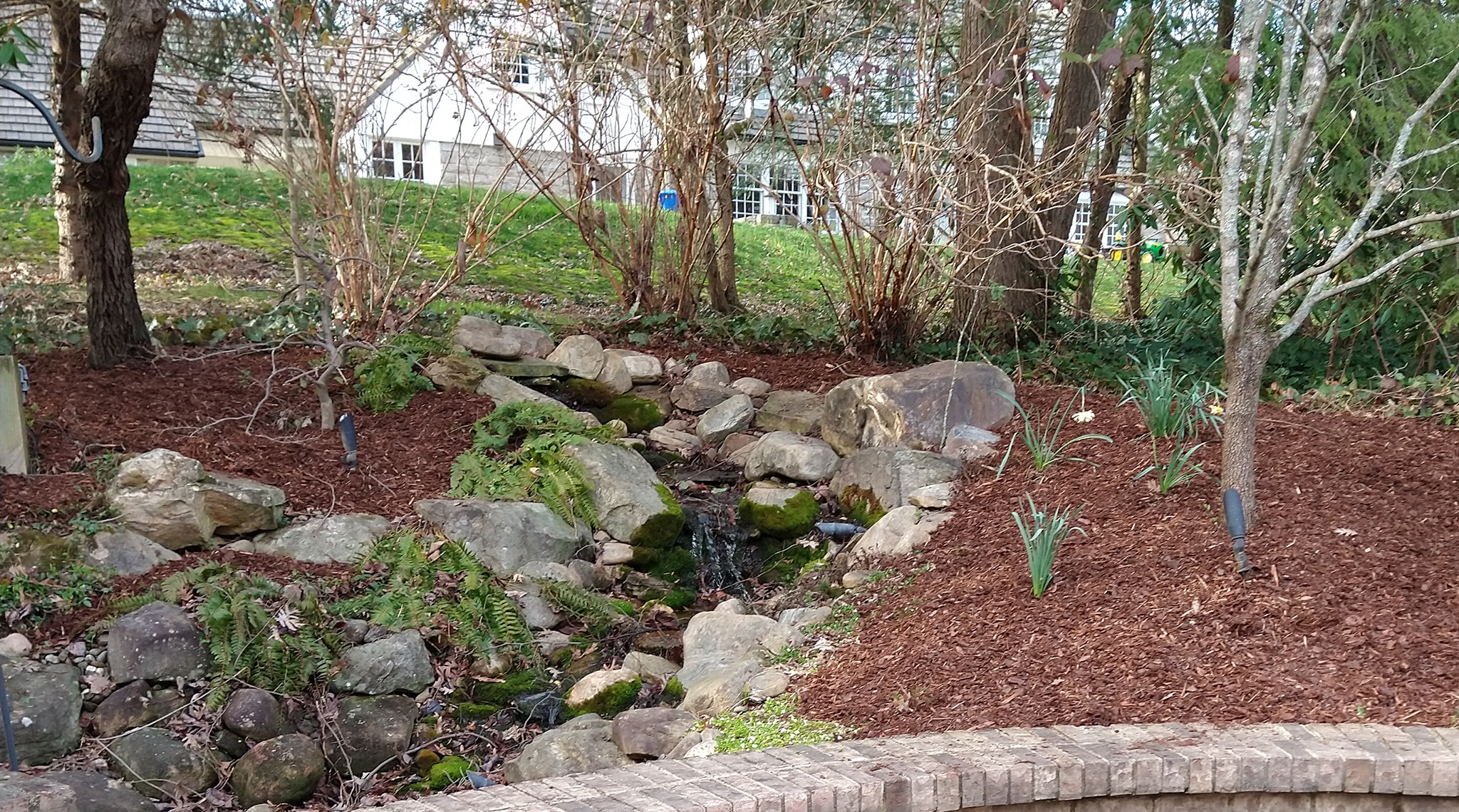
Soil health is another cornerstone of sustainable landscapes. Healthy soil is rich in organic matter and supports diverse microorganisms, which are vital for plant growth. Composting is an excellent way to improve soil quality. By regularly incorporating compost into your landscape, you enhance soil fertility and reduce the need for chemical fertilizers. Additionally, maintaining a layer of organic mulch around plants helps retain moisture, suppress weeds, and regulate soil temperature.
Sustainable landscapes also incorporate smart hardscaping choices. When planning features like patios, walkways, or retaining walls, consider using locally sourced materials which have a reduced carbon footprint compared to imported options. Permeable paving materials are another great sustainable choice, as they allow rainwater to filter through the ground, reducing runoff and erosion.
Creating wildlife-friendly gardens is another way to enhance the sustainability of your landscape. By including features such as bird baths, nesting boxes, and bee hotels, you provide essential resources for pollinators and other beneficial wildlife. Not only does this support biodiversity, but it also contributes to the overall health of your garden by encouraging natural pest control.
As a progressive landscaping company, Taylors Enterprises is dedicated to integrating these sustainable practices into every project, large or small. Our team of experienced professionals works closely with clients to design and implement eco-friendly solutions that meet their needs while being kind to the planet.
In conclusion, envisioning a green future for our landscapes is about making informed choices that are beneficial both for the environment and our communities. Through the adoption of sustainable landscaping practices such as native plant selection, water conservation, soil health improvement, and smart hardscaping, we can create outdoor spaces that are not only functional and beautiful but also environmentally responsible. Taylor’s Enterprises stands ready to guide you in transforming your landscape vision into reality, crafting spaces that are as sustainable as they are beautiful.
/filters:no_upscale()/filters:format(webp)/media/6b25b57d-043e-43ba-848c-ef0f0ef789b7.jpg)
/filters:no_upscale()/filters:format(webp)/media/6aad4fdf-b3a1-4e92-a7fb-26432ce94088.jpeg)