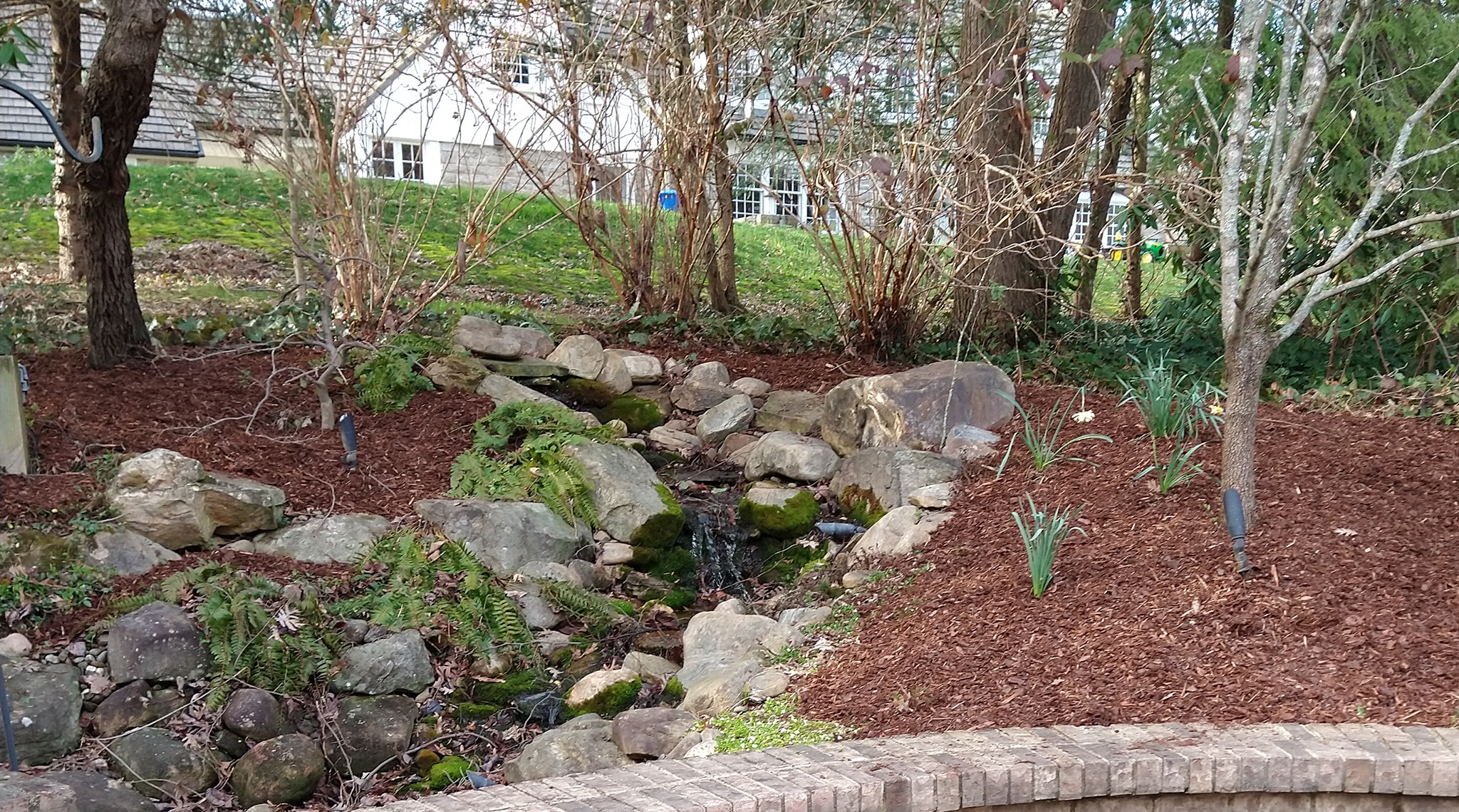
The Art of Elevation: Ingenius Terracing Solutions for Sloped Gardens Jan 05, 2026
Terracing involves creating flat platforms on a sloped terrain, supported by retaining walls or plants. This method allows for effective management of soil erosion and water drainage, while simultaneously offering an innovative way to garden on what would otherwise be unsuitable land. Before you get your hands dirty, consider the space, slope gradient, and desired outcome for your terraced garden. Consulting with professionals like Taylors Enterprises can provide insights tailored to your garden's needs.
A crucial aspect of terracing is selecting the right materials. Choices often range from natural stone and wood to modern concrete blocks. Each material brings its distinct charm and practical benefits. For instance, natural stone provides a rustic ambiance that blends well with plant life, whereas concrete blocks showcase sleek, modern lines. The choice of material significantly impacts the maintenance need, durability, and budget of your terracing project.
When designing terraced gardens, think creatively about the levels you create. Each terrace can be used for different purposes, turning your slope into a multifunctional outdoor space. You might consider designating one level for a vegetable garden, another for a perennial flowerbed, and a third as a cozy seating area. This strategic division not only defines the garden's use but also simplifies maintenance, making each section manageable.
Water management is another key factor when implementing terracing solutions. Proper drainage is essential to prevent waterlogging and subsequent damage to your hard work. Installing an effective drainage system is imperative, using methods such as French drains or a gravel layer under the soil to guide water harmlessly away.
Plant selection also plays a pivotal role in terraced gardens. Consider drought-resistant or native plants that can thrive in varying soil depths present on terraces. Perennials with deep roots stabilize soil, providing an eco-friendly solution to erosion. Employ a variety of textures and colors for visual interest, bearing in mind each plant's sunlight and water needs to optimize their health and growth.
Investing in lighting can elevate your terraced garden, creating ambient spaces that draw the eye and enhance safety. Solar-powered lights, for example, can highlight steps and pathways, accentuating your garden’s features while being environmentally friendly.
Conclude your terracing project with thoughtful maintenance practices. Regularly check for soil displacement and repair any minor erosions promptly to maintain structural integrity. Prune plants strategically to encourage healthy growth and ensure that each terrace remains visually appealing and accessible.
In summary, terracing a sloped garden is much more than just an aesthetic upgrade. It encompasses the artful balance of form and function, creating tiered spaces that utilize every inch of your landscape creatively. By incorporating thoughtful design, material selection, and plant choice, terracing with Taylors Enterprises can transform an ordinary slope into an extraordinary garden. Embrace the challenge and watch your garden flourish into a breathtaking terraced masterpiece, taking full advantage of your landscape's unique topography.
/filters:no_upscale()/filters:format(webp)/media/6b25b57d-043e-43ba-848c-ef0f0ef789b7.jpg)
/filters:no_upscale()/filters:format(webp)/media/6aad4fdf-b3a1-4e92-a7fb-26432ce94088.jpeg)