The Dialogue of Color and Shape: Integrative Landscape Designing for Vibrant Outdoor Areas May 07, 2026
A key part of integrative landscape design is the thoughtful selection and placement of plants and hardscapes, offering a balanced blend of beauty and function. Utilizing a diverse palette of perennials, shrubs, and trees, we can create eye-catching focal points and ensure year-round interest. Color plays a vital role in this design process. It's important to consider how different colors can evoke emotions and set the mood of an outdoor space. For instance, warm colors like reds and yellows can energize and invigorate, while cool colors such as blues and greens can provide a calming retreat.
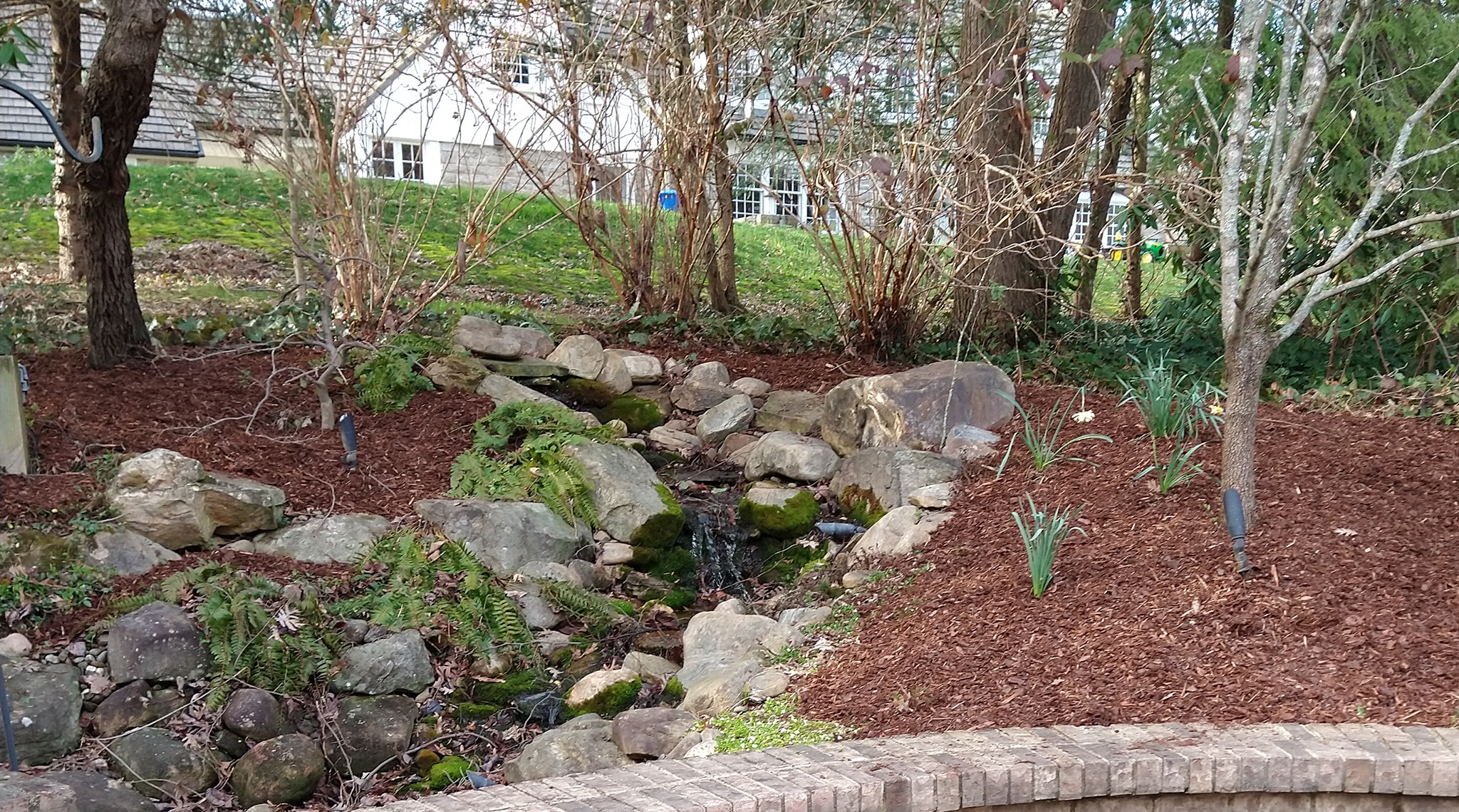
Shape, too, is a fundamental aspect of design. Varying shapes and textures add depth and interest to landscapes. Imagine a winding stone pathway, leading visitors through a garden punctuated by circular flower beds and the towering verticality of trees. This interplay of shapes guides the eye and creates a dynamic experience. The integration of unique elements such as water features or pergolas can further enhance the spatial dynamics, providing both utility and visual interest.
At Taylors Enterprises, our approach to landscape designing is rooted in an appreciation for the natural flow between color and shape. We understand the importance of developing design schemes that complement the architectural style and landscape, thereby creating cohesive and harmonious outdoor environments. Our team collaborates closely with clients to ensure their vision is brought to life, from the initial planning stages to installation and maintenance.
For those interested in do-it-yourself projects, considering the scale and proportion of plants is essential to achieve balance. Large, bold plants should be used sparingly as focal points, while smaller, subtler plants can fill in between and soften the overall look. Grouping plants in odd numbers often creates a more natural appearance and allows the visual elements to harmonize effortlessly.
If you're considering hardscaping, materials like stone, wood, and metal can introduce contrast and structural integrity, helping to define spaces and create boundaries. A well-placed stone wall, a wooden deck, or a metal sculpture can each help ground the landscape and provide a backdrop that complements the surrounding greenery.
Ultimately, the success of an integrative landscape design lies in its careful planning and execution. Whether you're working with Taylors Enterprises or embarking on a personal garden project, the goal is to create a space that delights and invites engagement year-round. Regular maintenance and thoughtful updates keep the landscape fresh and vibrant, ensuring its appeal lasts.
In conclusion, integrative landscape design is an art form that combines nature's colors and shapes to create environments that are both beautiful and functional. By understanding this dialogue, homeowners can enjoy outdoor areas that are not only visually striking but also truly reflective of their tastes and lifestyles. With thoughtful planning and expert guidance from professionals like Taylors Enterprises, your dream landscape can become a vibrant reality.
/filters:no_upscale()/filters:format(webp)/media/6b25b57d-043e-43ba-848c-ef0f0ef789b7.jpg)
/filters:no_upscale()/filters:format(webp)/media/6aad4fdf-b3a1-4e92-a7fb-26432ce94088.jpeg)