The Science of Soil: Creating the Perfect Foundation for Sustainable Landscaping Dec 09, 2025
To begin, it's important to acknowledge that soil health is paramount for successful landscaping and hardscaping projects. The soil's physical, chemical, and biological properties influence plant growth, water retention, and nutrient cycles. By delving into these properties, property owners can create an environment where landscapes not only survive but thrive.
Firstly, let's examine the physical aspect of soil composition. Soil texture, which refers to the proportion of sand, silt, and clay, determines how water and nutrients are retained. Sandy soils, for example, drain quickly and may struggle to hold nutrients, while clay soils retain water but can become compacted, restricting air flow to roots. A balanced loam, typically consisting of equal parts sand, silt, and clay, is ideal for most plants as it offers optimal drainage and nutrient retention.
Moving on to the chemical properties, soil pH plays a vital role in plant health. Most plants prefer a slightly acidic to neutral pH range, around 6 to 7. If your soil is too acidic or alkaline, certain nutrients may become unavailable to plants. Testing soil pH is a straightforward process and can be adjusted by incorporating various amendments; for example, lime can be used to raise pH, while sulfur can lower it.
The biological aspect of soil science focuses on the living organisms that contribute to soil health. Microorganisms, such as bacteria and fungi, break down organic matter, making nutrients available to plants. Encouraging a diverse and healthy soil food web can significantly boost plant health and resilience. Adding organic matter, such as compost or well-rotted manure, feeds these microorganisms and improves soil structure.
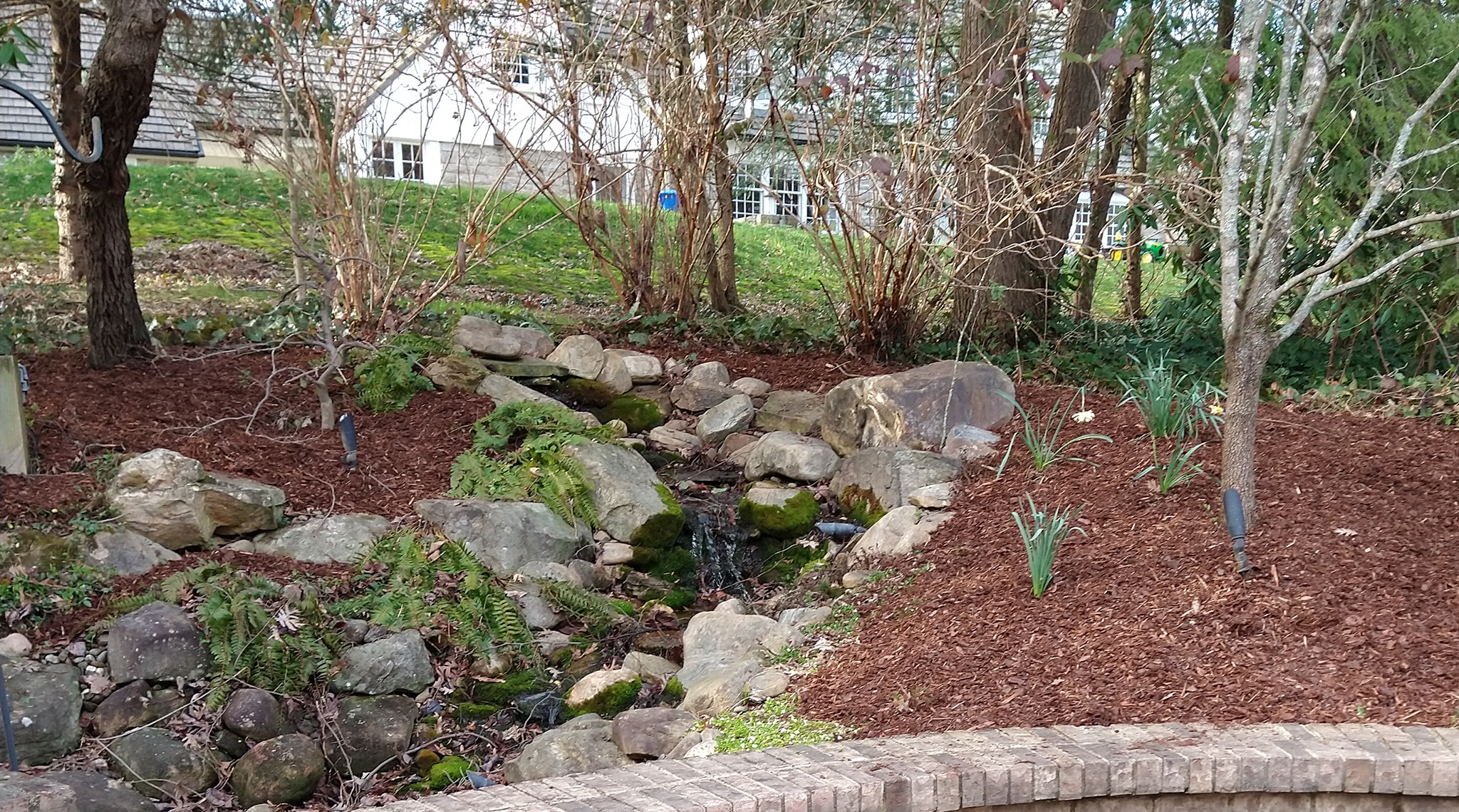
Water management is also critical in creating sustainable landscapes. Practices like proper grading and the installation of drip irrigation systems can optimize water usage, reducing runoff and conserving resources. Furthermore, mulching around plants minimizes water evaporation and helps regulate soil temperature, benefiting root health.
It's also crucial to consider the interrelationship between landscaping and hardscaping. Elements like walkways, patios, and retaining walls should complement the existing topography, directing water flow and enhancing soil stability. The integration of permeable surfaces can mitigate erosion and encourage groundwater recharge.
Effective soil management not only ensures lush, thriving landscapes but also contributes to broader environmental benefits. Healthy soils sequester carbon, support biodiversity, and enhance water quality. By making informed choices rooted in soil science, homeowners and landscapers can create outdoor spaces that are both beautiful and sustainable.
In conclusion, the science of soil is foundational to successful and sustainable landscaping. At Taylors Enterprises, we are committed to helping our clients understand and optimize their soil for landscape projects that stand the test of time. Whether you're starting from scratch or looking to improve existing landscapes, embracing the science of soil will unlock the full potential of your outdoor space. Let us be your partner in crafting landscapes that are as enduring as they are enchanting.
/filters:no_upscale()/filters:format(webp)/media/6b25b57d-043e-43ba-848c-ef0f0ef789b7.jpg)
/filters:no_upscale()/filters:format(webp)/media/6aad4fdf-b3a1-4e92-a7fb-26432ce94088.jpeg)