Wildlife Wonderlands: Designing Habitats that Support Local Fauna May 25, 2026
The first step to designing a habitat that supports local wildlife is understanding the specific needs of the fauna native to your area. Each species, from birds to butterflies, has unique requirements for food, water, shelter, and breeding spaces. By incorporating native plants into your garden design, you can effortlessly cater to these needs. Native plants provide the proper nutrition and shelter that local wildlife have evolved to rely on. At Taylors Enterprises, we recommend starting with a mix of flowering plants, grasses, shrubs, and trees best suited for your region's climate and soil conditions.
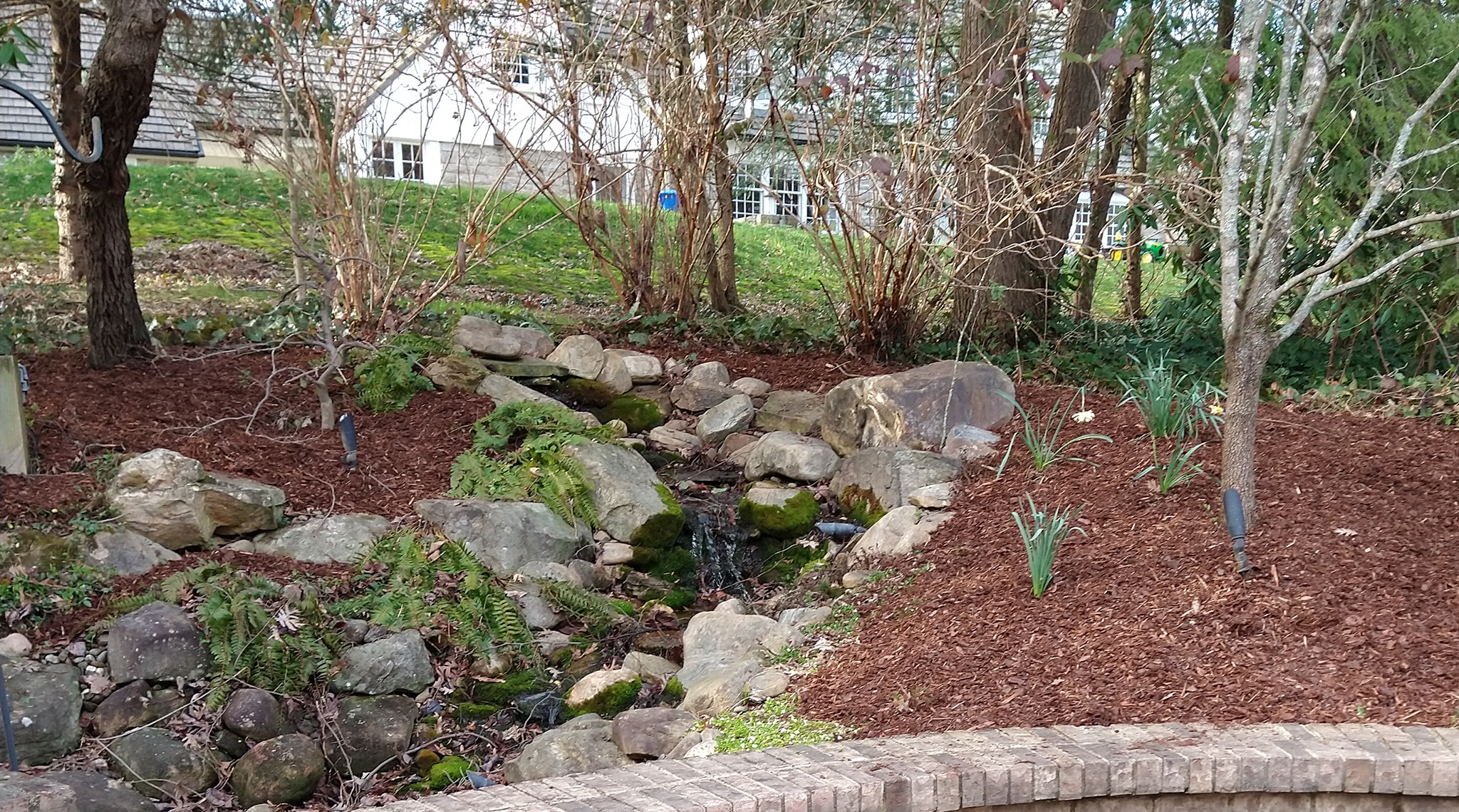
Once you've selected your plants, consider the inclusion of water features in your landscape. Water is essential for all wildlife, and even a small birdbath or pond can attract a variety of species. Water features not only serve as hydration stations but also as breeding grounds for many aquatic organisms. When creating these features, ensure they are safe for wildlife—placing rocks or sticks in the water can offer escape routes for small creatures. Such thoughtful inclusions not only enrich the habitat but enhance your garden's visual and auditory appeal.
Another strategic move to support local fauna is building nesting and shelter areas. Birds and small mammals thrive in environments where they can nest safely. By installing birdhouses, nesting shelves, or even brush piles, you provide invaluable real estate for them. Additionally, deadwood or log piles on the ground can encourage the presence of beneficial insects and small mammals. These natural structures simulate the native environment, offering protection from predators and harsh weather.
Thoughtful garden maintenance is crucial to maintain these wildlife sanctuaries. Practices like minimizing chemical pesticide use, allowing leaves to decompose naturally, and maintaining a variety of vegetation heights can significantly impact the habitat quality. These practices encourage a healthy ecosystem by protecting insects integral to the food chain. At Taylors Enterprises, we advocate an eco-friendly approach to landscaping, ensuring that human presence harmonizes with the needs of nature.
Besides these practical tips, engaging with the community and spreading awareness about the importance of wildlife-friendly gardens can multiply your efforts. By collaborating with neighbors to establish connected garden spaces, small urban and suburban gardens can become substantial wildlife corridors. Sharing resources and knowledge strengthens community bonds while promoting biodiversity.
In conclusion, designing a wildlife-friendly garden with Taylors Enterprises is more than a landscaping project—it's a pledge to nurture our shared environment. Through mindful plant selection, the inclusion of essential habitat features, and sustainable garden maintenance, your outdoor space can become a cherished haven for local wildlife. Whether you're an avid gardener or just beginning your landscaping journey, remember that even small changes can create ripples in the local ecosystem, making your garden an invaluable piece in the greater environmental puzzle. Embrace the beauty and vitality of wildlife wonderlands and enjoy a landscape alive with the harmony of nature.
/filters:no_upscale()/filters:format(webp)/media/6b25b57d-043e-43ba-848c-ef0f0ef789b7.jpg)
/filters:no_upscale()/filters:format(webp)/media/6aad4fdf-b3a1-4e92-a7fb-26432ce94088.jpeg)